Should You Buy the Thunderx3 Core Gaming Chair in 2026? A Deep Dive
Short answer: after using the Thunderx3 Core gaming chair as my daily seat for about six months, I think it’s a solid value pick if you want a comfortable, supportive chair without paying premium-brand prices — but it isn’t perfect. In this long-form review I’ll walk you through what I actually experienced, who the chair suits, where it falls short, and how to decide if it’s the right buy for you in 2026.
Why I bought the Thunderx3 Core
I wanted a sturdy gaming/office hybrid that would handle long work sessions and occasional gaming marathons without feeling like a budget sacrifice. My priorities were: reliable lumbar support, a forgiving seat for 8+ hour days, decent adjustability (armrests, recline, height), and a build that felt solid over time. A friend recommended the Thunderx3 Core as a no-frills but well-made option. After shopping around, I pulled the trigger and have been using it every weekday since then.
Unboxing and assembly
What I found was typical of modern gaming chairs: the packaging was compact, the parts well-labeled, and the included Allen key and instructions were usable. Assembly took me roughly 30–45 minutes by myself. The metal base, gas lift, and seat plate all lined up without forcing anything; that felt reassuring at first.
One small annoyance: a few screws weren’t tightened as much as they could have been in the factory, so I retightened everything during assembly. I appreciated the extra washers and the felt pad on the base that reduced floor scuffing. No missing parts for me — if you’re buying used, double-check those small extras (washers, bolts) before you start.
Build quality and materials
In daily use the Core has held up well. The frame is solid and the stitching looks clean in most places. The covering is a PU (vegan) leather typical for gaming chairs: it feels smooth and offers that slightly firm, dense seat that some people find more supportive than plush fabric. Over six months I noticed normal surface wear where my pants rub on the seat edge, but no cracking yet. If you live somewhere very hot and sweat a lot, the PU surface will feel warmer than mesh — I found that using a thin breathable seat cushion helped during summer sessions.
The armrests are adjustable but not infinitely so — they are 3D/4D style on some Core variants and 2D on others depending on the specific SKU. My unit has 4D armrests (height, forward/back, side angle, and rotation), which I used constantly to dial in a comfortable elbow height for typing. The adjustment mechanisms feel firm; they don’t rattle if tightened properly.
The gas lift is firm and has remained stable. The reclining mechanism locks solidly at multiple angles. Overall, the chair feels heavier and more robust than many budget chairs I’ve tested, but it lacks the premium upholstery and micro-adjustments of high-end models.
Comfort and ergonomics: real-world experience
Comfort is where expectations and personal body geometry matter most. I’m around 6'0" and 180 lbs, and the Core fits me well: ample seat depth, a slightly forward-sloping seat edge (which I personally prefer), and a lumbar area that provides noticeable support when I sit upright. I used the chair for focused work, video calls, and gaming sessions — sometimes back-to-back for 10–12 hours. What I noticed:
Discover deals on Electronics — updated daily.
Shop Amazon →- I rarely felt the need to stand up every hour due to discomfort — the seat cushion kept its shape and returned quickly after long sessions.
- The included lumbar pillow (on my model) is useful, but you get better long-term support if you position it precisely; when it’s off by a few centimeters it can feel either too low or push into your lower back too much.
- I appreciated the headrest for short rests and leaning back during streams, but it’s not a luxury plush pillow — it’s functional and thin.
- The recline goes far enough to nap in the afternoon; the tilt tension is adjustable so you can make the chair feel springy or locked down.
After a few months I started to notice minor compression in the seat foam at the very front edge (where I tend to sit). It’s not dramatic, but if you prefer an ultra-plush throne feel, the Core is firmer and more performance-oriented. I solved this by rotating my sitting position and using a thin gel pad for long sessions, which helped even out the pressure points.
Durability and long-term notes
Six months isn’t a lifetime, but the Core has shown no signs of structural fatigue. The casters rolled smoothly on my hardwood floor and the base remained stable when rotating. The PU leather has small scuffs on the armrest tops — from leaning rings or keys — but nothing that affects function. If you expect to keep a chair for many years, I’d recommend checking the warranty and considering whether you prefer replaceable cushions; Thunderx3’s parts support in general is OK but not as expansive as some luxury brands.
What I liked (pros)
- Good value for the features: You get a solid base, adjustable armrests, decent recline, and useful lumbar/head support without paying premium-brand prices.
- Sturdy, no-flimsy-feel: The chair feels heavier and more robust than many entry-level options I’ve tried.
- Comfort for long sessions: The foam balance between firm and soft worked well for full workdays.
- Adjustability: My 4D armrests, recline, and tilt allowed me to find a comfortable position for both typing and gaming.
- Easy assembly: Took under an hour alone with clear parts and instructions.
What bothered me (cons)
- PU leather warmth: The cover gets warm during long summer days and can feel less breathable than mesh alternatives.
- Foam compression at the edge: Minor seat-edge compression after heavy daily use — not catastrophic, but noticeable.
- Lumbar pillow is a bit fiddly: The included cushion helps, but it needs precise placement or it can become uncomfortable.
- Finish details: A small seam on my unit showed minor fraying near an armrest after months of use; quality control seems mostly good but not flawless.
- Not ultra-premium: If you want top-tier upholstery or a wide array of micro-adjustments, this isn’t the chair to compete with the very high-end ergonomic models.
Feature comparison: Thunderx3 Core vs common alternatives
| Feature | Thunderx3 Core (my unit) | Typical Premium Gaming Chair (e.g., top-tier brand) | High-end Office Ergonomic (e.g., mesh ergonomic) |
|---|---|---|---|
| Price level | Budget-mid — good value | High — premium pricing | High — premium ergonomic cost |
| Primary material | PU leather (vegan leather) | PU leather or real leather options | Mesh / high-tech fabrics |
| Adjustability | Good (height, recline, armrests 3D/4D on some SKUs) | Excellent (more micro adjustments) | Excellent (lumbar and seat pan adjustments) |
| Long-session comfort | Very good for most users | Very good to excellent | Excellent for posture-oriented work |
| Durability expectation | Solid for years with normal use | Long-lasting with premium materials | Long-lasting with strong warranties |
| Best for | Gamers & knowledge workers on a budget | Gamers who want luxury and style | Professionals prioritizing ergonomics |
How it compares to my expectations and other chairs I tried
I’ve sat in several chairs in the past — budget office chairs, a mid-range leather gaming chair, and a mesh ergonomic model. The Thunderx3 Core landed between my cheap office chair (which fell apart after a year) and the pricier premium chairs that offer more breathable materials and micro-adjustments. In my experience, the Core gives you the practical essentials: stability, reasonably long-lasting foam, and useful adjustability, but without the finesse (and price) of the very top options.
Who should buy the Thunderx3 Core in 2026?
In my view, the Core is a smart buy if any of the following describe you:
- You want a gaming-style chair that also works for professional desk work without spending a small fortune.
- You value a firm, supportive seat that holds up during full workdays and weekend gaming sessions.
- You need good adjustability (especially armrest adjustments) but don’t require ultra-fine ergonomic tuning.
- You prefer the look and feel of a traditional gaming chair (bucket-style silhouette, pronounced bolsters).
It’s less good if:
- You prioritize extreme breathability and live in very hot climates without AC.
- You need the absolute best ergonomics for chronic back issues — a dedicated ergonomic office chair might be better.
- You want leather upholstery or luxury materials and premium surface finishes.
Buying guide: what to check before you buy
Here are practical things I used to decide and that I’d recommend you check before buying any Thunderx3 Core or similar chair in 2026:
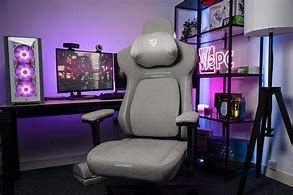
1. Confirm the SKU and armrest spec
Thunderx3 sells multiple Core variants. If 4D armrests are important to you, confirm that your specific SKU includes them. Some Core versions have simpler 2D armrests to lower the price.
2. Check dimensions and your body size
Measure your desk height and the chair’s seat height range. I measured my desk and made sure the armrests could tuck under the desk when lowered. If you’re taller or shorter than average, pay attention to seat depth and back height.
Shop the latest Electronics picks on Amazon.
View Offers →3. Look at warranty and parts availability
Find out what’s covered and for how long. I kept my purchase receipt and the packaging for the first month in case of defects. Parts like replacement casters and a new gas lift are usually available but check regional support options.
4. Think about climate and upholstery
If you sweat in summer, consider a mesh or hybrid model. I solved the warmth issue with a thin breathable seat topper and by opening a window when possible.
5. Read multiple user reviews for longevity
I read reports from other owners about foam sag and seam durability. My own experience echoed the general trend: mostly solid performance but small cosmetic wear after months of daily use.
6. Test return policy
If possible, buy from a retailer with a reasonable return window. I validated that I could return or exchange within the seller’s period — this gave me confidence to try the chair and keep it only if it fit my needs.
Maintenance tips I found useful
- Wipe the PU leather with a damp cloth once a week to remove sweat and oils.
- Rotate your sitting position and occasionally stand to reduce concentrated wear on the foam edge.
- Use a chair mat on carpet to keep casters rolling smoothly and reduce friction wear.
- Tighten bolts after the first month and then every few months to avoid squeaks.
Final thoughts and conclusion
After months of everyday use, the Thunderx3 Core has become my go-to chair. I was pleasantly surprised by how well the chair balances comfort, adjustability, and cost — it gives most people what they need for long days at the desk without the higher price tag of top-tier brands. At the same time, some small finish and material trade-offs are evident if you inspect it closely: the PU leather can feel warm, the lumbar pillow needs careful placement, and there’s mild foam compression after heavy use.
Overall, in 2026 the Core feels like a pragmatic, well-rounded option: not the pinnacle of ergonomic science, but a dependable, comfortable seat that will serve gamers and knowledge workers well. If you want premium upholstery, extra micro-adjustments, or specialized ergonomic features for severe back problems, look at higher-end ergonomic models. If you want a sturdy chair that performs great for long hours and won’t blow your budget, the Thunderx3 Core is worth serious consideration based on my experience.