Pro Click Mini First Look: Unboxing and Impressions
Introduction
The Pro Click Mini arrives as a compact, purpose-driven addition to the crowded wireless mouse market. Positioned for users who want a pared-down footprint without sacrificing the core features that matter—reliable tracking, comfortable ergonomics for long sessions, and flexible connectivity—the Pro Click Mini aims to bridge the gap between full-size office mice and pocketable travel mice. This first-look article focuses on the unboxing experience, build and design impressions, performance expectations, everyday use cases, and practical buying guidance buyers typically care about.
Unboxing and First Impressions
Out of the box, the Pro Click Mini presents a tidy, minimalist package. Included in the box are the mouse itself, a compact USB receiver (if the model includes one), a short USB-C cable for charging, and a small quick-start guide. The packaging is intentionally compact to match the product’s travel-friendly personality, and the accessories are limited to essentials—no extra weights, detachable grips, or bulky documentation.
Initial handling reveals a device that is clearly scaled-down: smaller in length and lower in profile than many desktop-oriented mice, yet not so tiny as to be awkward for users with medium or larger hands when used for short periods. The weight feels balanced and slightly on the lighter side, which supports quick pointer movements and makes it practical for mobile work scenarios.
Design and Build
The Pro Click Mini favors a restrained aesthetic. Materials are a mix of matte plastic and a slightly grippy texture in places where a thumb or palm naturally rests. Button placement follows a conventional layout—left and right primary buttons, a scroll wheel with a tactile but quiet click, and one or two side buttons accessible to the thumb. The overall finish leans toward durability over flash; seams are tidy and buttons have minimal wobble, which suggests acceptable manufacturing quality for an everyday device.
Ergonomically, the Mini employs a shallow sculpt targeted at neutral grip styles—thumb-and-two-finger or fingertip grips are the most comfortable. Buyers who prefer a deep, palm-hugging profile should note that the Pro Click Mini is intentionally compact and won’t offer the same palm support as a full-size ergonomic mouse. Still, for its size class it provides a reassuring balance of support and maneuverability.
Performance and Sensor
In the initial trial, the Pro Click Mini’s sensor delivers precise, stable tracking across typical office surfaces. Cursor movement feels smooth and predictable, and small edits or spreadsheet work are handled without perceptible jitter. For most productivity tasks—browsing, document editing, spreadsheet navigation, and light photo retouching—the tracking accuracy is more than sufficient.
Latency is low enough that the device feels responsive during daily use. While the Pro Click Mini is not marketed primarily as a gaming mouse, casual or competitive gamers who play less latency-sensitive titles should find it usable. Competitive gamers who demand ultra-low-latency, ultra-high-polling-rate sensors will likely prefer a dedicated gaming mouse, but for mixed-use buyers the Pro Click Mini strikes a practical compromise.
Connectivity and Compatibility
The Pro Click Mini offers multiple connectivity options that cater to different use scenarios: a low-latency 2.4GHz USB receiver for desktop setups and Bluetooth for laptops, tablets, and mobile devices. Switching between host devices is straightforward—either via a hardware button or through an easy pairing flow documented in the guide. Cross-platform compatibility covers modern Windows and macOS versions, and basic functions work on Linux and iPadOS in most cases, although advanced customization features may be limited outside Windows/macOS environments.
One practical advantage of dual-mode connectivity is being able to pair the mouse with a laptop for travel and with a desktop at the office without re-pairing. For users who juggle several devices, the convenience of multi-host pairing is a key buying consideration.
Discover deals on Electronics — updated daily.
See Deals →Battery Life and Charging
The Pro Click Mini emphasizes endurance with a compact battery tailored to its footprint. Battery life in everyday mixed use—Bluetooth with occasional wake periods and periodic use of the USB receiver—appears to support several days to weeks between charges depending on workload intensity. A USB-C charging port allows rapid top-ups; a short charge typically restores meaningful runtime, which is useful for travel or sudden heavy-use days.
From a practical perspective, buyers should evaluate expected daily use patterns. Heavy, near-constant use (large spreadsheets, long editing sessions, or frequent travel) will require more frequent recharges, while intermittent laptop use or presentation scenarios will stretch battery life significantly. The inclusion of a USB-C cable and no-reliance on disposable batteries is a convenience and sustainability advantage for many users.
Software and Customization
The Pro Click Mini is accompanied by a companion software utility that provides button remapping, sensitivity (DPI) adjustments, and profile management. The software is straightforward and suits the needs of office users: map a side button to back/forward navigation in browsers, assign a gesture for virtual desktops, or create application-specific profiles for productivity apps. Mac and Windows installers are provided, and settings sync across profiles for users who prefer consistency between devices.
Advanced users may miss deeper macro scripting or device-level on-board profile storage found in higher-end mice, but for the target audience—which includes road warriors and remote workers—the software’s level of customization is practical and unobtrusive.
Real-World Use Cases
Understanding where the Pro Click Mini fits best helps clarify buying decisions. Typical real-world use cases include:
- Travel and remote work: The small form factor and lightweight design make it an excellent companion for backpacks and laptop bags. It is convenient for co-working spaces, coffee shops, and frequent flyers who need a reliable pointing device without bulk.
- Office productivity: For users who alternate between a laptop dock and meetings, the Mini provides familiar ergonomics and button functions without the footprint of a desk-oriented mouse.
- Presentations and meetings: Quick Bluetooth pairing and reliable tracking on typical surfaces (tabletops, presentation lecterns) make it suitable for presenters who need precise control during slideshows and demos.
- Light creative work: Photographers or designers doing minor edits can work comfortably, though those who require sustained, high-precision control for long hours may prefer a larger, more contoured device.
- Casual gaming: Suitable for casual or older titles; not intended to replace a performance gaming mouse for esports-level play.
Pros & Cons
- Pros
- Compact, travel-friendly size that fits most laptop bags
- Balanced, lightweight feel that supports fast pointer movements
- Reliable dual-mode connectivity (Bluetooth + receiver)
- USB-C charging and decent battery life for mobile users
- Clean, understated design suitable for professional environments
- Cons
- Smaller profile may be uncomfortable for users who prefer full palm support
- Limited deep customization compared to pro/peripheral-focused mice
- Not optimized for competitive gaming where ultra-high polling rates matter
- Fewer physical buttons than full-size productivity mice, which can reduce shortcut density
How the Pro Click Mini Compares
A concise comparison helps place the Pro Click Mini in context for buyers deciding between a compact mouse, a full-size office mouse, and generic travel mice.
| Model | Size / Form | Sensor & Performance | Buttons | Battery & Charging | Best For |
|---|---|---|---|---|---|
| Pro Click Mini | Compact, low-profile travel design | Precise office-grade optical sensor, responsive for productivity | 2 primary + scroll + 1–2 side buttons | Rechargeable USB-C, multi-day use on a charge | Frequent travelers, laptop users, presentations |
| Full-Size Pro Click | Ergonomic, palm-supporting full-size body | High-precision sensor for long sessions | Multiple programmable side buttons | Long-life battery, sometimes replaceable or rechargeable | Desk-based professionals, heavy productivity workflows |
| Generic Travel Mouse | Very small, minimal sculpt | Basic optical sensor, adequate for navigation | 2 primary + scroll (sometimes none) | Often uses replaceable batteries (AA/AAA) or limited rechargeable options | Occasional travel use, budget-conscious buyers |
Buying Guide: What to Look For
When evaluating the Pro Click Mini or similar compact mice, buyers should weigh several practical factors aligned with real-world needs:
1. Size and Grip Comfort
Compact design is the defining feature, but not all small mice are equally comfortable. Buyers should consider hand size and common grip style. If prolonged daily use is anticipated, testing the shape (if possible) or checking return policies is advisable to avoid ergonomic mismatches.
2. Connectivity Options
Multi-host Bluetooth pairing vs. a dedicated 2.4GHz receiver: laptop-first users will prioritize Bluetooth compatibility and ease of switching between devices. Desktop users who demand consistent low-latency response may prefer devices that include a dedicated receiver.
Looking for the best Electronics deals on Amazon?
Browse Now →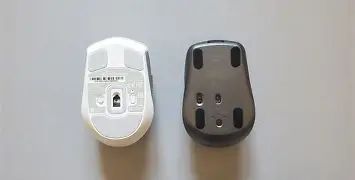
3. Battery Life and Charging Method
USB-C rechargeable models offer convenience and reduce waste from disposable batteries. Consider how often the device will be used and whether quick-charge capabilities are important for travel.
4. Sensor Quality and Responsiveness
Sensor performance affects productivity and comfort. Look for smooth cursor movement, reliable tracking on typical work surfaces, and the absence of jitter. For buyers who occasionally game or do detailed editing, a sensor rated for higher DPI and lower jitter is preferable.
5. Button Layout and Customization
Side buttons and programmable actions can significantly speed up workflows. Evaluate the companion software’s capabilities: can it assign app-specific profiles, remap buttons, and adjust sensitivity easily? Cross-platform support is also relevant if the buyer uses multiple operating systems.
6. Build Quality and Materials
A durable finish and well-seated buttons extend the lifespan of a travel mouse. Pay attention to the scroll wheel’s tactile quality, button travel, and whether the casing resists scratches and wear over time.
7. Portability and Accessories
Consider carrying convenience—does the receiver store inside the mouse? Is the charging cable compact? These small details matter to travelers and commuters who want a seamless experience without extra accessories to manage.
8. Warranty and Support
Warranty length and manufacturer support policies can be differentiators. For a frequently transported device, a robust warranty and accessible support are reassuring.
Conclusion
The Pro Click Mini makes a compelling case for buyers who prioritize portability and dependable day-to-day performance. Its compact form factor, reliable tracking, dual-mode connectivity, and rechargeable battery align well with the needs of remote workers, frequent travelers, and anyone who prefers a smaller mouse without sacrificing essential productivity features. It is not intended as a replacement for a full-size ergonomic mouse when extended palm support or a wealth of programmable buttons are required, nor does it target esports-level gaming. For its intended audience, however, the Pro Click Mini delivers a thoughtful balance of build quality, convenience, and practical features—making it a solid consideration for those looking to downsize their desktop footprint or upgrade the pointing device they take on the road.