I Switched to the Home Speaker 300 and Here is What Happened
Smart speakers have evolved from novelty gadgets into everyday household tools, but not every model strikes the right balance between sound quality, ease of use, and practical value. That is why the Home Speaker 300 has drawn so much attention among buyers looking for a compact speaker that does more than just answer questions or set timers. For many people, the appeal is straightforward: they want one device that can fill a room with good sound, handle voice commands reliably, and fit naturally into daily routines without becoming a constant frustration.
This article looks closely at what happened after switching to the Home Speaker 300 as a primary home audio device. Rather than focusing only on marketing promises, it examines what buyers typically care about in real life: setup, sound performance, voice assistant responsiveness, streaming convenience, design, and long-term usability. It also considers where the speaker performs well, where it falls short, and who is most likely to be happy with it.
Introduction: Why the Home Speaker 300 Stands Out
The compact smart speaker market is crowded. Some models prioritize bass-heavy sound, others focus on smart home features, and many try to be all-around devices without truly excelling in any category. The Home Speaker 300 enters that landscape as a product designed to deliver a fuller, more room-filling sound than a typical entry-level smart speaker while keeping the convenience features people now expect.
For buyers, that matters because the decision is rarely just about audio specifications. A speaker like this often ends up in a kitchen, bedroom, apartment living room, or home office, where it serves multiple roles throughout the day. It may handle morning playlists, background music during work, podcasts while cooking, and casual voice requests in the evening. A smart speaker that sounds good but is awkward to control can become annoying. One that is easy to use but sounds thin may not justify the price. The Home Speaker 300 aims to live in that middle ground where convenience and audio quality meet.
After switching to it full time, the biggest change was not just better sound. It was how much more often the speaker became part of normal daily use. That is often the true test of a product in this category: not whether it impresses during the first ten minutes, but whether people keep reaching for it weeks later.
First Impressions and Setup Experience
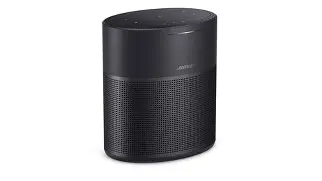
One of the first things buyers notice about the Home Speaker 300 is that it feels designed to blend into a room rather than dominate it. Its footprint is compact enough for side tables, kitchen counters, shelves, and desks, yet it still has enough physical presence to suggest it is built for audio performance rather than purely voice assistant duties. That makes it especially appealing to people who want a speaker that looks tidy and modern without drawing unnecessary attention.
The setup process is typically straightforward, which is essential for a product that may be purchased by users with very different levels of tech comfort. Most buyers want to be listening within minutes, not troubleshooting network issues for half an hour. In practice, setup tends to feel guided and manageable, especially for anyone already familiar with app-based smart device installation. Connecting the speaker to home Wi-Fi, linking music services, and enabling voice control is generally the kind of one-time effort that pays off quickly once the device is integrated into the home.
For many households, the ease of onboarding matters just as much as the speaker itself. A difficult setup often signals future friction. The Home Speaker 300 makes a good first impression by reducing that concern. Once connected, it tends to slip into daily routines with minimal learning curve, which is exactly what buyers in this category usually want.
Sound Quality: The Biggest Difference After Switching
The most noticeable change after moving to the Home Speaker 300 is the sound. Compact speakers often struggle with balance. Some produce harsh highs and weak mids, while others overcompensate with boosted bass that sounds muddy in smaller rooms. The Home Speaker 300 is more convincing because it aims for a fuller, more spacious presentation without becoming overly aggressive.
For casual music listening, this matters immediately. Vocals tend to come through with clarity, which is important for podcasts, acoustic tracks, and spoken-word content. In everyday use, that means playlists are easier to enjoy at moderate volume and dialogue-heavy audio remains intelligible in spaces like kitchens or bedrooms where people are often moving around. This is the kind of real-world detail buyers appreciate because listening rarely happens in a perfect, seated sweet spot.
With pop, jazz, singer-songwriter material, and general streaming playlists, the speaker generally sounds rich enough to feel like a meaningful upgrade over smaller basic smart speakers. There is enough body in the low end to make music feel grounded, yet the presentation stays controlled enough to avoid turning every track into an indistinct wall of bass. That balance is especially helpful for users who want one speaker for varied content rather than a device tuned only for party music.
At lower to medium volume, the Home Speaker 300 performs particularly well. This is significant because most people do not spend all day blasting music. They want a speaker that sounds satisfying while they work, cook, clean, or unwind in the evening. In those conditions, the speaker’s tuning tends to feel purposeful and mature. At higher volume levels, performance remains enjoyable, though expectations should stay realistic. It is still a compact home speaker, not a large stereo system. Buyers looking to energize a large open-plan space or host louder gatherings may still want more scale or a paired setup.
Where the speaker earns its place is in its ability to make ordinary listening feel better without demanding a complicated audio setup. That is often the defining win for products like this. The improvement is not theoretical; it shows up in everyday tasks, from hearing clearer vocals while washing dishes to filling a small living room with background music that feels more substantial than what tiny smart speakers can deliver.
Discover deals on Audio & Headphones — updated daily.
See Deals →Everyday Smart Features and Voice Control
A speaker in this category is not judged on audio alone. Buyers also want to know whether the smart features genuinely save time. The Home Speaker 300 performs best when treated as a practical household assistant that happens to deliver solid sound. That means handling routine tasks such as weather updates, timers, alarms, calendar prompts, quick questions, and music playback requests.
In day-to-day use, voice control tends to be most valuable in hands-busy situations. The kitchen is the clearest example. Asking for a timer, skipping a track, or turning the volume down while cooking is more convenient than touching a phone or tapping a screen with messy hands. In a home office, voice requests for music, reminders, or news briefings can feel similarly useful. In bedrooms, alarm and ambient audio functions often end up being used more than buyers initially expect.
Responsiveness is important here. A smart speaker that misses commands or requires repeated phrasing quickly loses its appeal. The Home Speaker 300 generally succeeds because it does what users expect often enough to build trust. That trust is what turns a speaker into a fixture in the home rather than a product people occasionally remember they own.
Another practical advantage is multi-use flexibility. Many buyers no longer want separate devices for Bluetooth playback, voice assistant functions, and room audio. They want one speaker that can move fluidly between those roles. The Home Speaker 300 fits that expectation well, especially for users who stream from multiple sources or switch between direct app control and voice commands depending on the situation.
Design, Footprint, and Room Placement
Design often gets treated as a secondary feature, but it matters a great deal with a home speaker that stays visible all day. The Home Speaker 300 works well because it feels intentional without trying too hard. It looks appropriate in modern apartments, family kitchens, bedrooms, or workspaces, and it does not require dedicated furniture or a special audio corner to make sense.
Its size is a practical advantage. Many buyers live in spaces where every surface has to work hard. A speaker that takes up too much room is harder to justify. The Home Speaker 300 is compact enough for everyday placement but substantial enough to avoid feeling flimsy or disposable. That balance helps it serve as a real living-space product rather than a gadget that gets tucked away.
Placement still affects performance, of course. Like most speakers, it benefits from a stable surface and some breathing room around it. Buyers should not expect ideal sound if it is squeezed tightly into a cluttered shelf or placed in a corner that exaggerates bass. In small to medium rooms, thoughtful placement can make a noticeable difference in how open and balanced the speaker sounds.
What Real Buyers Usually Care About Most
While product pages often emphasize broad feature lists, most buyers tend to focus on a shorter set of practical questions. Is the sound noticeably better than a cheaper smart speaker? Is it easy to use every day? Does it fit naturally into the room? Is it reliable enough to justify the price? The Home Speaker 300 scores well because it addresses these concerns in a grounded, everyday way.
For apartment dwellers, one of the biggest benefits is room-filling sound without requiring a bulky system. For families, the appeal is simplicity: one speaker that can manage music, timers, and voice requests in a central part of the home. For professionals working remotely, it offers a convenient way to add audio to a workspace without cluttering the desk with larger equipment. For casual listeners, it provides a more satisfying experience than minimalist speakers that sound thin or flat.
Buyers also care about whether a speaker becomes a habit-forming product. In this case, that usually happens because the Home Speaker 300 lowers friction. Music is easy to start, commands are easy to give, and the sound is pleasant enough that people use it more often. That increase in actual use is often more meaningful than any individual spec sheet highlight.
Pros and Cons
Pros
- Fuller sound than many compact smart speakers, especially at low and medium listening volumes
- Clear vocal performance for music, podcasts, audiobooks, and voice responses
- Compact design that fits easily in kitchens, bedrooms, desks, and small living rooms
- Convenient daily functionality for timers, alarms, streaming, and hands-free control
- Balanced all-purpose use for buyers who want both smart features and respectable audio quality
- Good fit for modern households that prefer one versatile speaker instead of several single-purpose devices
Cons
- Limited scale compared with larger standalone speakers in bigger rooms or louder social settings
- Performance depends on placement, as corner positioning or crowded shelving can affect sound balance
- May feel like more speaker than necessary for buyers who only want basic voice assistant functions
- Not a replacement for a full stereo or home theater system for users seeking deep audiophile-level separation or cinematic power
- Value depends on intended use; those who rarely stream music may not get the full benefit of the upgrade
Comparison: Home Speaker 300 vs Typical Entry-Level Smart Speaker
A direct comparison helps clarify where the Home Speaker 300 fits in the market. It is not simply a voice assistant puck with a speaker attached, and that distinction matters for buyers deciding whether the extra spend makes sense.
| Feature | Home Speaker 300 | Typical Entry-Level Smart Speaker |
|---|---|---|
| Sound quality | Richer, fuller, more room-filling sound with better overall balance | Functional for voice and casual playback, often thinner or smaller sounding |
| Best use case | Music-first households that still want smart features | Voice assistant tasks, timers, and occasional background listening |
| Room suitability | Small to medium rooms with regular music use | Bedrooms, desks, or secondary spaces with lighter audio demands |
| Design presence | More substantial and furniture-friendly | Usually smaller and more minimal |
| Listening satisfaction over time | Higher for users who stream music daily | Adequate for utility-focused users |
| Who should buy it | People wanting one compact speaker that feels like a genuine audio upgrade | People prioritizing low cost and basic assistant features |
Buying Guide: Who Should Consider the Home Speaker 300?
The Home Speaker 300 is best for buyers who care about sound enough to notice the difference, but not so much that they want to build a full traditional speaker system. That includes a broad group of users.
Looking for the best Audio & Headphones deals on Amazon?
See Deals →Best for Small and Medium Rooms
If the intended space is a bedroom, kitchen, office, studio apartment, or modest living room, the speaker makes a lot of sense. It has enough output and fullness to feel satisfying in those environments without taking over the room physically or acoustically.
Best for Daily Streamers
People who play music or podcasts throughout the day are likely to appreciate the upgrade most. A better speaker pays off quickly when it is used for morning routines, work sessions, meal prep, evening wind-downs, and weekend background listening. For occasional users, the value calculation is less obvious.
Best for Buyers Who Want Simplicity
Many consumers do not want separate devices for streaming, voice control, and room audio. They want one dependable speaker that can handle all of it with minimal fuss. The Home Speaker 300 aligns well with that expectation.
Less Ideal for Large-Scale Audio Needs
Buyers trying to fill very large rooms, entertain large groups regularly, or replicate a traditional hi-fi listening setup may find the speaker too limited on its own. In those situations, expectations should shift toward larger speakers or more elaborate systems.
Questions Buyers Should Ask Before Choosing It
- How often will the speaker be used for music versus voice tasks?
- What size room will it live in most of the time?
- Is compact design important because of limited counter or shelf space?
- Is the goal better everyday sound, or simply access to smart assistant features?
- Will the buyer benefit from a speaker that works well across podcasts, playlists, and casual listening?
If the answers point toward frequent use, moderate room size, and a desire for cleaner, richer audio from a compact device, the Home Speaker 300 becomes a strong candidate.
What Happened After the Switch?
After switching to the Home Speaker 300, the main result was simple: the speaker got used more often than expected. That is often the most honest measure of whether a home audio product works. It became easier to start music casually, more enjoyable to leave something playing in the background, and more convenient to rely on voice control for small household tasks. Instead of being an occasional gadget, it started behaving like part of the room.
The improvement was especially noticeable in situations that buyers often overlook when shopping. Podcasts sounded clearer while moving around the kitchen. Background playlists felt fuller during work hours. Voice commands became more useful because the speaker already occupied a regular place in daily routines. None of this is flashy, but it is exactly where long-term product value comes from.
That does not mean the speaker is perfect. It still lives within the limits of a compact all-in-one device. Buyers expecting the scale of larger speakers or the precision of dedicated stereo systems should temper their expectations. But for the audience it is built for, the results are convincing. It sounds better than many smaller smart speakers, fits comfortably into everyday spaces, and adds enough convenience to justify its role in the home.
Conclusion
The Home Speaker 300 succeeds because it improves the parts of home audio that matter most to ordinary buyers. It delivers a clear step up in sound from basic smart speakers, keeps setup and daily use approachable, and fits naturally into common living spaces. Its greatest strength is not any single feature in isolation, but how well those features work together in real life.
For buyers who want a compact speaker that feels genuinely useful every day, this is the kind of upgrade that can quietly reshape how audio fits into the home. The switch to the Home Speaker 300 does not just result in louder music or more commands answered. It tends to make listening more frequent, more enjoyable, and more integrated into the routines people already have. That is ultimately what happened after the switch, and it is why the speaker stands out in a crowded category.